

Sustainable farming has become a cornerstone of modern agriculture, blending innovation with environmentally friendly practices. Farmers today are not only focused on increasing productivity but also on maintaining ecological balance, reducing waste, and improving animal welfare. By adopting modern solutions, farms can achieve greater efficiency while minimizing their environmental footprint. From advanced machinery to intelligent systems, sustainable farming operations now incorporate a variety of technologies that support both profitability and responsibility.
Cow Milking Systems: A Key Innovation
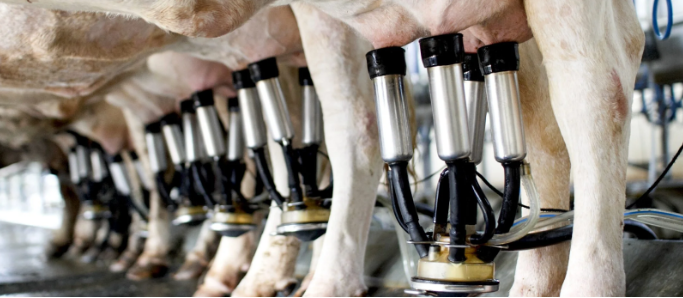
Cow milking systems have revolutionized dairy farming, making operations more efficient and animal-friendly. Modern cow milking systems automate the process of milking, ensuring consistency, hygiene, and better health monitoring for each cow. These systems reduce manual labor while allowing farmers to track milk production, detect health issues early, and improve overall herd management. By integrating data-driven solutions, cow milking systems also help in reducing waste and energy consumption, making dairy farms more sustainable.
Eggs Poultry Humidifier: Enhancing Poultry Care
Maintaining optimal environmental conditions is crucial for poultry health and productivity. Eggs poultry humidifiers are designed to regulate humidity levels in poultry houses, ensuring proper incubation and bird comfort. By stabilizing temperature and humidity, these systems enhance egg quality, reduce mortality rates, and improve overall flock performance. Implementing an eggs poultry humidifier not only benefits the birds but also contributes to energy efficiency and resource management in poultry operations.
Smart Irrigation and Water Management
Water is one of the most vital resources in farming, and its efficient use is essential for sustainability. Smart irrigation systems utilize sensors and automated controls to deliver precise amounts of water based on soil moisture, weather patterns, and crop needs. This technology reduces water wastage, enhances crop yield, and lowers energy costs. By adopting smart irrigation, farms can conserve water while ensuring that plants receive the right amount of hydration for optimal growth.
Precision Agriculture and Soil Monitoring
Precision agriculture involves using advanced technology to monitor and manage crop production at a micro-level. Tools such as soil sensors, GPS-guided equipment, and drone imaging allow farmers to analyze soil health, detect nutrient deficiencies, and optimize planting strategies. This approach minimizes the use of fertilizers and pesticides, reduces runoff, and increases overall productivity. Precision agriculture is a vital component of sustainable farming, as it enables data-driven decisions that protect the environment while maximizing crop yield.
Renewable Energy Integration
Many modern farms are turning to renewable energy sources such as solar panels, wind turbines, and bioenergy to power operations. Using renewable energy reduces dependence on fossil fuels, lowers greenhouse gas emissions, and decreases operational costs in the long run. Farms that incorporate renewable energy solutions demonstrate a commitment to sustainability while ensuring energy security for critical farming activities.
Automated Feeding and Livestock Management
Automated feeding systems and livestock monitoring tools have made animal husbandry more efficient and sustainable. These systems regulate feed distribution, monitor animal health, and track growth patterns, allowing farmers to optimize nutrition and reduce waste. By maintaining healthy livestock through precise management, farms can improve productivity while minimizing the environmental impact of overfeeding or inefficient resource use.
Conclusion
Modern solutions for sustainable farming operations are transforming agriculture into a more responsible and efficient industry. Innovations such as cow milking systems, eggs poultry humidifiers, smart irrigation, precision agriculture, renewable energy integration, and automated livestock management allow farmers to maximize productivity while reducing environmental impact. By adopting these technologies, farming operations can thrive economically and ecologically, paving the way for a more sustainable future in agriculture. Sustainable farming is no longer just an ideal; it is a practical reality that combines technology, efficiency, and care for the planet.