

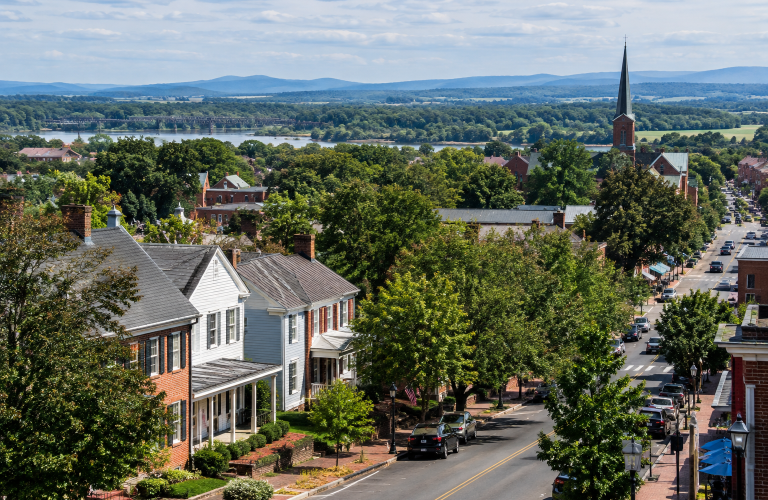
A home can be renovated, expanded, repainted, or redesigned. Its location cannot. For buyers considering Fredericksburg, Virginia, the right choice depends on far more than the number of bedrooms or curb appeal. It depends on how the neighborhood supports work, errands, recreation, relationships, and future plans in a city shaped by historic districts, established residential streets, newer communities, and nearby rural settings.
Buyers reviewing Fredericksburg VA homes for sale can use Tracey Farmer’s local property-search resource to compare available single-family homes, townhomes, condos, land, and other listings in Fredericksburg and surrounding areas such as Spotsylvania and Stafford County. Tracey Farmer was raised in Virginia and brings area familiarity to the search process, making this a useful starting point for buyers who want to connect a home’s features with daily travel needs and neighborhood context.
Start With Daily Life, Not Listing Photos
Before scheduling tours, outline a normal week. Think about where you go, when you travel, and what activities you do not want to make harder after moving. A lower-priced property may not feel like a good value if it leads to longer drives, repeated parking challenges, or a routine that feels less convenient.
Your list might include:
- Workplaces, schools, childcare, and regular appointments.
- Grocery stores, pharmacies, medical offices, and emergency services.
- Parks, trails, fitness facilities, libraries, restaurants, and cultural destinations.
- Family, friends, faith communities, and recurring social commitments.
- Access to major roads, rail options, or other transportation connections.
Fredericksburg has a long and visible history, and its mix of older neighborhoods, commercial corridors, and nearby communities can create very different daily experiences from one area to another. Understanding the broader character of Fredericksburg, Virginia, can help buyers frame their search, but personal visits remain essential.
Separate Must-Haves From Nice-To-Haves
A clear priority list helps prevent a beautiful kitchen or staged living room from taking attention away from a practical concern. Divide preferences into three groups before serious comparisons begin:
- Must-haves: Non-negotiable needs, such as a manageable commute, a first-floor bedroom, parking, a particular school transportation arrangement, or room for a home office.
- Strong preferences: Features that would improve daily comfort, such as walkability, a fenced yard, nearby trails, or a quiet street.
- Possible trade-offs: Items you may accept in exchange for a better price, more usable space, a shorter drive, or lower maintenance needs.
Compare Commutes In Real Conditions
Online map estimates are useful, but they are only a starting point. Test the routes you would actually use during weekday mornings and evenings. Try an alternate route as well, especially if your household relies on one major road for work, school, or frequent errands.
Consider the time involved in every regular trip, not just the drive to work. A home that adds 30 minutes each way to a recurring commute can affect fuel costs, scheduling flexibility, and personal time. Remote workers should also consider whether their work arrangement could change and whether the home supports a reliable, comfortable workspace.
Look Beyond The Property Line
A strong neighborhood evaluation begins at the curb but should extend several blocks in every direction. Walk or drive nearby streets and note what would affect ordinary life after move-in.
- Sidewalk conditions, street lighting, and places where pedestrians cross.
- Traffic speed, turning activity, and visibility when entering or leaving the street.
- Noise from roads, rail lines, businesses, outdoor gathering spaces, or events.
- Parking for residents, visitors, and service vehicles.
- General property upkeep and the condition of nearby public spaces.
- Distance to services you expect to use often.
Visit at Different Times of Day
One showing rarely provides a full picture. Return at least three times, and take brief notes after each visit.
- Weekday morning: Observe traffic flow, school-related activity, and the pace of departures.
- Weekday evening: Check lighting, parking, noise, and whether the area feels comfortable for a walk.
- Weekend: Notice outdoor activity, nearby shopping patterns, and the effect of local events or recreation.
Rate each location from one to five for convenience, noise, traffic, comfort, and overall fit. A simple written record makes it easier to compare properties after several tours.
Review Costs Beyond the Mortgage
Neighborhood affordability includes more than the purchase price and the monthly principal and interest. Ask your lender, insurer, agent, and relevant community association about costs that may apply to a specific property.
- Property taxes and homeowners’ insurance.
- Flood or other hazard-related insurance when applicable.
- Homeowners association or condominium fees.
- Utility demands associated with a larger, older, or less efficient home.
- Fuel, tolls, parking, and other commuting expenses.
- Likely repairs, maintenance, or renovation work.
Research Services, Rules, and Future Development
Verify key details through official records and direct agency contact. Confirm school boundaries, transportation, utilities, zoning, permits, and rules instead of relying solely on marketing or online comments. School info is best assessed via boundaries, programs, enrollment, and transport. Also, investigate potential changes nearby; an undeveloped parcel or quiet view today might change after construction. Review planning notices, zoning maps, meeting agendas, and development applications. Growth can bring new services but also traffic, construction, and altered roads.
Match Housing Style With Long-Term Plans
Think five to ten years ahead, even with a flexible timeline. Historic homes offer character and location but need careful maintenance and renovation adherence. New builds have modern systems and layouts, but ongoing nearby construction is possible. Townhomes and condos reduce exterior upkeep, though buyers should be aware of association policies and fees. Larger-lot homes provide space and privacy but may require more travel and upkeep. Consider home offices, pets, storage, guests, aging, future household changes, and resale value. The aim isn’t to predict every event but to avoid homes becoming quickly limiting.
Use a Simple Neighborhood Scorecard
After each tour, assign a score from one to five and add a short note for each category:
- Commute and transportation: Time, route options, and travel stress.
- Daily errands: Access to essentials and regular destinations.
- Noise and traffic: Conditions at the times you are most likely to be home.
- Housing fit: Layout, maintenance expectations, and usable space.
- Monthly ownership costs: Taxes, insurance, fees, utilities, and travel.
- Future flexibility: Potential to adapt as needs change.
- Overall comfort: Your honest reaction after multiple visits.
Questions To Ask Before Making an Offer
- Does this location support our normal weekly routine?
- What is the commute like during the busiest period?
- Are total monthly costs comfortable after taxes, insurance, fees, and travel?
- What development, zoning, flood, preservation, or maintenance questions still need verification?
- Have we visited during the day, in the evening, and on weekends?
- Will this home still work if our needs change over the next several years?
Final Takeaway
The best Fredericksburg neighborhood is not automatically the newest, largest, or least expensive option. It is the one that fits the household’s routine, budget, comfort level, and future plans. Careful visits, practical cost comparisons, and independent due diligence can turn an emotional home search into a more confident decision.