

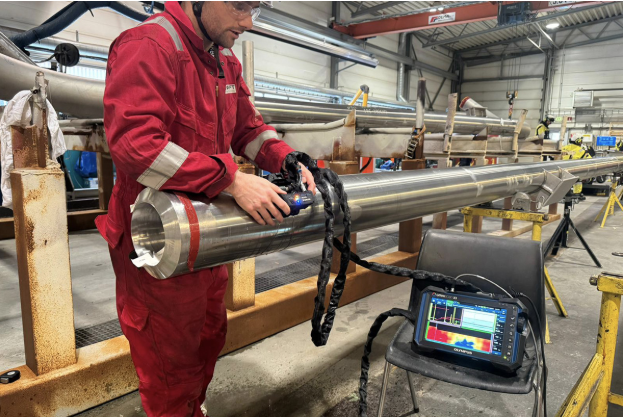
Industrial facilities rely on complex machinery and structures to operate efficiently. Ensuring the safety and reliability of these assets is essential not only for productivity but also for the well-being of workers. One advanced technology that has become a cornerstone in industrial safety is phased array inspection. This technique provides detailed, accurate information about the condition of materials and components, helping prevent accidents and costly downtime.
Understanding Phased Array Inspection
Phased array inspection is an advanced form of ultrasonic testing. Unlike traditional methods that rely on a single probe, phased array uses multiple small ultrasonic elements arranged in an array. These elements can be controlled electronically to steer, focus, and sweep the sound waves through the material being inspected. This flexibility allows inspectors to examine complex geometries and detect defects that might be missed using conventional methods. By providing a clear image of internal structures, phased array inspection helps identify weaknesses before they develop into serious issues.
Detecting Defects Early
One of the most significant advantages of phased array inspection is its ability to detect defects at an early stage. Cracks, corrosion, and weld inconsistencies can be identified long before they compromise the integrity of equipment. Early detection is critical in industrial facilities, where even minor failures can lead to dangerous situations, such as equipment malfunctions or chemical leaks. By spotting these issues early, maintenance teams can schedule timely repairs, avoiding emergency shutdowns and protecting workers from potential hazards.
Improving Maintenance Efficiency
Phased array inspection also enhances the efficiency of maintenance programs. Traditional inspection methods can be time-consuming and may require disassembling equipment to access certain areas. In contrast, phased array techniques can often examine components without major disassembly, saving both time and resources. Maintenance teams can prioritize repairs based on precise data, ensuring that high-risk areas are addressed first. This targeted approach not only improves safety but also reduces operational costs, making facilities more productive and reliable.
Enhancing Compliance with Safety Standards
Industrial facilities are subject to strict safety regulations. Ensuring compliance with these standards is essential to avoid penalties and protect employees. Phased array inspection plays a vital role in meeting these regulatory requirements providing detailed documentation of inspections. The high-resolution images generated during testing can be used to demonstrate that equipment has been thoroughly checked and maintained. This level of transparency and accuracy supports audits and safety certifications, reinforcing a culture of safety within the facility.
Supporting Long-Term Asset Management
Beyond immediate safety concerns, phased array inspection contributes to the long-term management of industrial assets. By regularly monitoring the condition of critical components, facilities can extend the lifespan of machinery and infrastructure. Predictive maintenance strategies can be developed using data from phased array inspections, allowing managers to plan replacements and upgrades proactively. This approach reduces unexpected failures and ensures that the facility remains safe and operational over time.
Conclusion
Phased array inspection has become an essential tool for enhancing safety standards in industrial facilities. Its ability to detect defects early, improve maintenance efficiency, ensure regulatory compliance, and support long-term asset management makes it invaluable for modern industrial operations. By investing in phased array inspection technology, facilities not only protect their workforce but also maintain reliable and cost-effective operations. In an industrial environment where safety cannot be compromised, this advanced inspection method offers both peace of mind and practical benefits, setting a higher standard for operational excellence.