

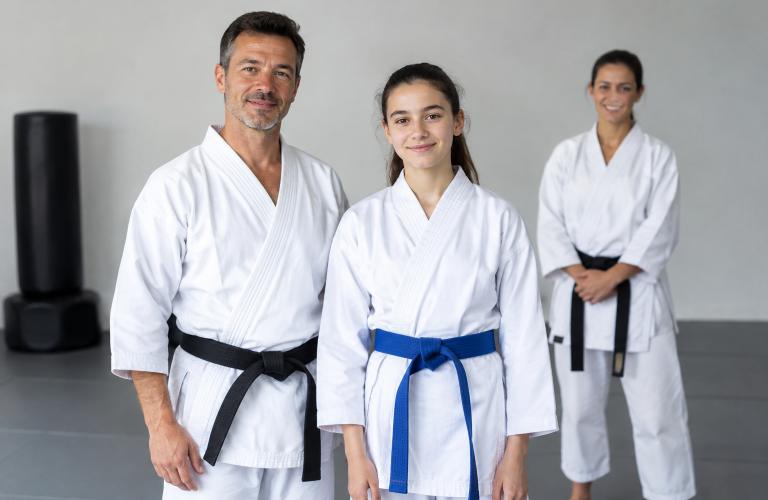
For families in Hatfield and nearby Montgomery and Bucks County communities, martial arts can offer a structured way to stay active, learn new movement skills, and build a routine together. The right program is not simply the one with the most classes or the loudest promises. It is the one where each student can learn safely, understand expectations, and feel welcome returning week after week.
Families comparing local options can review the benefits of martial arts for teens Hatfield PA, through Renzo Gracie Pennsylvania Academy. Its family martial arts FAQ explains beginner-friendly training for children, teens, and adults, as well as the types of skills families can explore. Renzo Gracie Pennsylvania Academy serves Hatfield and surrounding communities with instruction in Brazilian Jiu-Jitsu, grappling, boxing, Muay Thai, wrestling, and MMA, giving families a useful local reference point when comparing age-inclusive training options.
Why Families Choose Martial Arts
Many families want an activity that combines movement with individual learning. Unlike a traditional team sport, martial arts gives each student direct practice with balance, coordination, listening, and goal setting. Some families also appreciate that siblings or parents may train at the same academy while working at different levels.
Martial arts is a broad category. Brazilian Jiu-Jitsu and wrestling emphasize grappling and positional control. Boxing, kickboxing, and Muay Thai emphasize striking mechanics and footwork. Mixed martial arts combines skills from several disciplines. A good program explains its focus in plain language and helps families select an appropriate starting point.
What to Look for in a Family Program
A visit or introductory conversation can reveal a great deal about an academy. Look for these practical signs of a thoughtful family program:
- Clear class descriptions, age ranges, and beginner pathways.
- Instructors who explain techniques patiently and correct students without humiliation.
- Organized training space, clean mats, and equipment that appears well-maintained.
- Clear rules for partner work, physical contact, and respectful conduct.
- Appropriate separation of beginners from more advanced students when needed.
- Upfront information about fees, uniforms, and required equipment.
Warning signs include pressure to compete, vague answers about safety, dismissive responses to parent concerns, or pairing students with major differences in size or ability without careful supervision. A quality program should value learning and well-being over appearances or winning.
Age Groups and Skill Levels
Age and readiness matter. A young child generally benefits from short instructions, movement-based drills, simple rules, and frequent positive reinforcement. Teen students may be ready for more detailed technique, conditioning, and controlled partner practice. Neither approach is better. They are different responses to student development.
Beginners should first learn class etiquette, safe movement, basic positions, and how to work with a partner. Ask how students are placed into classes, what skills they learn first, and how instructors decide when a student is ready for more challenging drills.
Safety Questions Parents Should Ask
- How are students grouped by age, size, and experience?
- When are students introduced to live sparring or rolling?
- What protective equipment is required for contact-based training?
- How are injuries, suspected concussions, and medical concerns handled?
- Can parents observe classes, especially during a student’s first visits?
- How does the academy respond to bullying, unsafe behavior, or repeated rule-breaking?
- What choices does a student have if a drill or partner feels uncomfortable?
The answers should be specific and easy to understand. Parents should expect instructors to welcome reasonable questions and explain how they supervise students.
How Teens May Benefit From Training
Teenagers often look for an activity that feels challenging without requiring immediate competition. Martial arts can provide them with structured practice in fitness, coordination, self-awareness, and pressure handling during drills. It should not be presented as a guaranteed solution for bullying, aggression, or confidence concerns. Results depend on the teen, the instruction, and the culture of the training environment.
A supportive academy gives teens room to make mistakes, learn control, and build competence gradually. Families should ask whether coaches set realistic expectations, teach respectful partner behavior, and offer recreational paths alongside any competition opportunities.
Making Parent-Child Training Work
Parent-child training can create meaningful shared time, particularly during busy school and work schedules. The best approach is cooperative rather than competitive. Parents can model listening, patience, and consistency while allowing children to receive coaching directly from the instructor.
- Set one or two simple goals for the first month.
- Let every family member progress at a personal pace.
- Keep feedback positive and specific after class.
- Avoid comparing siblings or turning training into a contest.
What to Expect Before the First Class
New students commonly need comfortable athletic clothing, water, trimmed nails, and a willingness to listen. Some programs may require a uniform or protective gear after an initial visit. Arriving early gives families time to meet the instructor, share relevant medical information, and understand the class routine.
Nervousness is normal, especially for children and teens trying a new activity. Students should never feel forced to perform a skill before they understand the drill or feel ready to participate.
How Progress Happens Over Time
Progress is usually gradual. Attendance, attention, technique, controlled effort, and respectful behavior are meaningful measures of improvement. Belts, levels, or tournament results may matter to some students, but they are not the only signs that a program is working.
- Week One: Learn class rules, basic movement, and training etiquette.
- Week Two: Practice introductory techniques with close supervision.
- Week Three: Become more comfortable with routines and partner drills.
- Week Four: Review whether the class supports the student’s goals and schedule.
Common Family Questions
Can beginners join?
Yes. A well-organized academy should explain how students with no prior experience can begin safely.
Is martial arts safe for children?
No sport is entirely risk-free. Safety improves with age-appropriate instruction, controlled contact, clean facilities, suitable equipment, and attentive supervision.
Does a student need to compete?
No. Many students train for recreation, fitness, skill development, or shared family time. Competition should be an option, not a requirement.
Conclusion
Choosing a family martial arts program in Hatfield, PA, does not need to be complicated. Focus on safety, instruction, class fit, and the student’s experience. A program that welcomes beginners, communicates clearly, and rewards steady effort can give children, teens, and adults a positive way to stay active and develop useful skills together.