

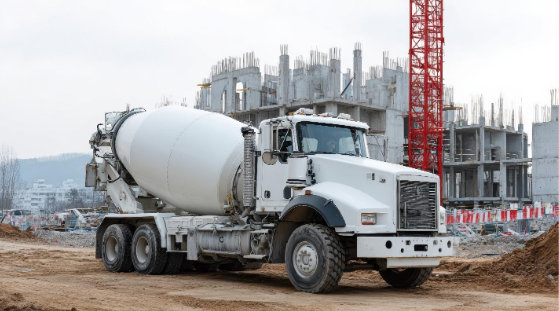
Ready-mix concrete is a customized mixture of cement, water, and aggregates such as sand, gravel, or crushed stone, produced at a specialized batching plant. It is delivered to construction sites in specialized transit-mixer trucks, ready to pour, eliminating the need for on-site mixing and ensuring consistent structural quality.
Consistency matters when building long-lasting structures. However, achieving uniform quality when mixing concrete on site can be difficult. This is where ready-mix concrete comes into play. This informative article highlights the top five benefits of using ready-mix concrete, delivering strength, reliability, and effectiveness to your projects.
1. Consistent Mix Ratios
On-site concrete mixing typically involves manually combining cement, aggregates, and water, and slight variations in the final mix ratio can significantly affect the mix. For example, too much water can reduce the mix’s strength, whereas too little can reduce the mix’s workability.
This is where ready mix concrete offers a consistent ratio, as it is produced in a controlled batching plant where computerized systems monitor precise measurements. Furthermore, each truckload is mixed to exact specifications, ensuring consistent steering, reliability, and performance throughout the mix.
2. Controlled Weather and Site Conditions
Weather and site conditions can significantly affect the concrete mixing process. For example, extreme heat can cause rapid evaporation, making the mix too stiff before it is poured, whereas cold temperatures slow curing.
But with ready-mix concrete, the batch is prepared indoors under specialists’ supervision and delivered to the construction site in a mixing truck, which protects the mix from environmental variables until it reaches the site. Thus, the mix stays consistent, and you will get better control over placement regardless of weather and site conditions.
3. Combat Labor and Equipment Challenges
Mixing concrete on-site requires ample space for equipment and labor. Plus, the workers need to spend valuable time preparing and mixing the concrete batches. However, equipment breakdowns can slow the production process, leading to delays and wasted labor hours.
Ready-mix concrete eliminates the need for on-site mixing, reducing the clutter of labor and equipment and freeing up space. Labor can focus on planning and executing other tasks rather than worrying about batching.
4. Uniform Quality Control
Ready-mix concrete provides a consistent, quality-controlled batch. However, on-site mixing often lacks quality testing. Without regular tests or compressive strength checks, there is no way to verify whether the mix meets the required specification, creating a risk to circuit integrity and potentially leading to performance issues later.
Ready-mix suppliers maintain strict quality control at their plants, including regular testing of aggregates, moisture levels, and mix designs. Furthermore, slump tests at delivery ensure that the concrete meets industry standards before it is poured into the structure.
5. Efficient Utilization of Materials
Ready-mix concrete is delivered in the exact amount required by a construction site. This precise approach reduces material waste and ultimately keeps your budget under control. On the other hand, on-site mixing often leads to overestimating material quantities, resulting in waste of cement, aggregate, sand, and water. Leftover material often goes unused, which is why ready-mix concrete is the best option for avoiding material waste and using materials effectively.